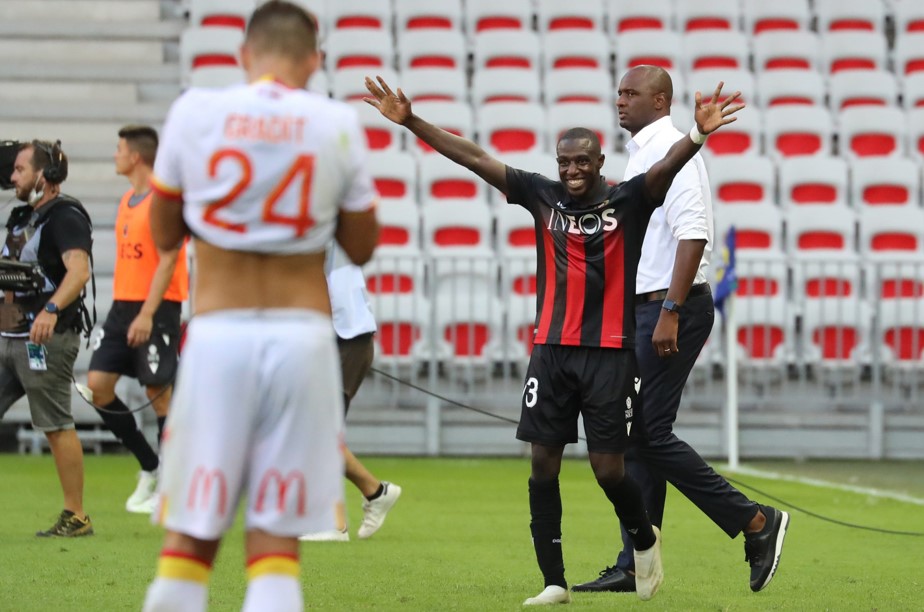
Tactical identity is one of the most stable indicators in football, which is why noticeable changes in playing style create immediate analytical value. During the 2020/21 Ligue 1 season, several teams altered their approach in ways that affected match dynamics, scoring patterns, and ultimately betting markets. Recognizing these shifts early allowed bettors to act before pricing fully adjusted.
Why Tactical Changes Create Betting Opportunities
When a team changes its style, historical data becomes less reliable. Markets, however, often continue to price matches based on past patterns, creating a temporary disconnect.
The cause-effect chain is clear: tactical shift → altered performance metrics → delayed market adjustment → pricing inefficiency. The impact depends on how quickly bettors recognize that previous assumptions no longer apply.
Identifying Meaningful Style Changes
Not all changes are significant. Some variations reflect short-term adjustments, while others indicate a deeper transformation in team identity.
Meaningful shifts tend to persist across multiple matches and influence core metrics such as chance creation, defensive structure, and tempo. These are the changes that affect betting outcomes.
Key Indicators of Tactical Evolution
Detecting a genuine style shift requires focusing on structural indicators rather than surface results. Wins and losses alone do not reveal how a team is playing.
Before identifying specific signals, it is important to understand that consistency across matches confirms the validity of a change.
- Shift in average defensive line height affecting space and transitions.
- Changes in pressing intensity altering opponent build-up success.
- Variation in shot location patterns indicating different attacking strategies.
- Redistribution of goal contributions across players.
- Reduction or increase in match tempo influencing total goals markets.
These indicators highlight how a team’s behavior has changed, not just its results. This distinction is critical for accurate interpretation.
Case Patterns from Ligue 1 2020/21
Several teams demonstrated clear tactical evolution during the season, often driven by managerial adjustments or squad changes. These shifts influenced both performance and perception.
Common Transformation Types
Teams generally followed one of these patterns:
- Transition from defensive to more aggressive pressing systems.
- Adoption of counter-attacking structures against stronger opponents.
- Increased reliance on wide play instead of central progression.
- Improved defensive organization reducing goal concession rates.
- Tactical flexibility allowing variation based on opponent strength.
Each transformation type produces different betting implications. For example, improved defensive structure often affects under/over markets, while increased pressing can lead to higher volatility in match outcomes.
Timing the Market Reaction to Tactical Shifts
The value of recognizing tactical change lies in timing. Early identification allows bettors to act before the broader market adjusts.
Observation reveals a recurring pattern: initial matches show performance change → results begin to reflect new style → market slowly adapts. In a betting interface where pricing reacts incrementally, patterns observed through ufa168 suggest that early-stage shifts are often underpriced, especially when they contradict established team reputations.
When Tactical Changes Fail to Deliver Value
Not every tactical shift leads to improved performance. Some changes introduce instability rather than efficiency, particularly during transition periods.
- Players may struggle to adapt to new roles.
- Execution errors increase under unfamiliar systems.
- Opponents exploit weaknesses in untested structures.
- Results become inconsistent despite underlying intent.
- Confidence drops if early outcomes are negative.
These situations create false signals. Assuming improvement without confirmation leads to incorrect betting decisions.
Integrating Tactical Insight Into Match Selection
Recognizing a style shift is only useful if it influences actual betting choices. The challenge lies in translating observation into structured decision-making.
A practical approach includes:
- Confirming the shift across multiple matches.
- Identifying which markets are most affected.
- Comparing new performance data with current odds.
- Avoiding early overcommitment during unstable phases.
- Adjusting expectations as the market adapts.
This process ensures that tactical insight leads to controlled, actionable decisions rather than speculative assumptions.
Behavioral Impact of Visible Team Changes
When a team’s style changes visibly, public perception often reacts quickly, sometimes overcorrecting.
In environments where users engage through a casino online service offering multiple betting markets, this reaction can amplify bias. Bettors may overestimate the impact of a few matches, pushing odds beyond reasonable levels and creating reverse value opportunities.
Comparing Stable vs Changing Teams
The difference between teams with stable identity and those undergoing change becomes clear when evaluating predictability.
Team Type | Tactical Stability | Predictability | Market Accuracy | Betting Value
Stable teams | High | Consistent | Efficient | Lower
Changing teams | Low | Variable | Delayed | Higher potential
This comparison shows that instability, while risky, often creates opportunity due to slower market adaptation.
Summary
Teams in Ligue 1 2020/21 that underwent clear tactical changes provided valuable betting opportunities because they disrupted established patterns. By identifying meaningful shifts, confirming their consistency, and acting before market adjustment, bettors could exploit temporary inefficiencies. The key lies in distinguishing real transformation from short-term variation and aligning insight with disciplined decision-making.
Leave a Reply
You must be logged in to post a comment.