Custom Cake Slice Boxes are changing the face of the contemporary bakery presentation, providing both style and convenience in presenting individual portions of desserts. Custom Cake Slice Boxes allow bakeries to package single-serving sizes professionally, without losing freshness, structure, or appearance.
The boxes are particularly useful among businesses that desire to experience their customers and enhance brand awareness using packaging. They make a lasting impact, whether it be an event, cafe, or retail display. As the need to package premium desserts increases, Custom Cake Slice Boxes have emerged as a crucial solution to any bakery that needs to be unique in a competitive market, but at the same time, maintain convenience and hygiene in every slice of cake that they package.
Product Overview
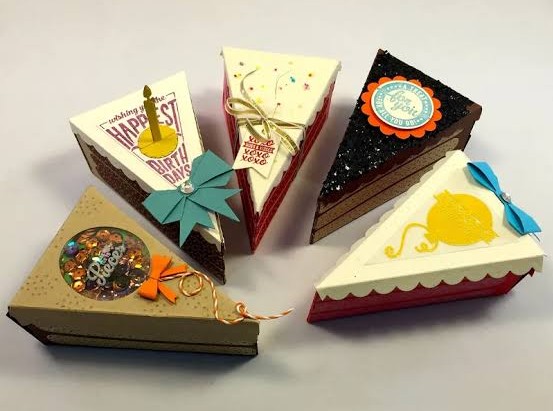
Custom cake slice packaging boxes are single-dose dessert packages, which provide an ideal solution in terms of protection and presentation. Bakeries, cafes, and dessert brands mostly use these boxes to serve cakes professionally and attractively. Their design helps to keep slices intact throughout transportation and increases the shelf appeal.
They also meet the needs of different bakeries as they come in different shapes and styles such as triangle cake slice boxes. Design makes it convenient for the customers and does not compromise the product quality. As the demand grows, cake slice boxes wholesale options are enabling businesses to grow in scale without affecting the consistency of packaging or visual impact on branding.
Design Appeal
The packaging of the printed boxes containing slices of cakes is a key attribute in customer attraction and the enhancement of visibility of their products. Bakeries can develop a visual image by using eye-catching graphics, classy finishes, and modular layouts. These boxes are adjustable with colorful colors, designs, and artistic themes that are designed to season or brand-related advertising.
Individual Slice Boxes are versatile in terms of personalization, as each slice is a luxury and unique. A good box design does not just increase shelf life but also customer interactions. The intelligent design prevents the cake from falling and also provides a luxurious experience of unboxing the cake w, which is value added to the purchase.
Material Strength
Cake slice packaging boxes need to be durable because they will be handling sensitive parts of desserts like cake layers, and their packaging should be waterproof. These boxes are constructed out of robust cardboard or food-grade paperboard that makes them structurally sound. The material does not crush, break, or damage when wet or when it leaks, and the cake slice is fresh and presentable.
High construction is also beneficial in enhancing the storage and transportation of bakery products. Even lightweight constructions are still designed in a way that they are not cumbersome. With this durability and practicality, the boxes are the perfect solution for bakeries that want to retain the quality of the products to be delivered to the customer in the kitchen.
Window Display
Cake slice boxes with a window are becoming very popular since they enable the customers to see the product without having to open the packaging. This characteristic makes it transparent and increases trust and impulse buying in stores. The design of the window presents the freshness and texture of the slice of cake cake this makes it more attractive to view. It can be used particularly well in display counters where looks are important.
The window has been constructed using transparent film, which is food safe and provides visibility and hygiene. This aspect not only enhances sales but also improves the overall customer experience by incorporating transparency with the lovely packaging design.
Branding Impact
Cake slice boxes with a logo give bakeries a strong branding opportunity, which strengthens identity with each sale. A strategically placed logo can make even plain packaging a marketing instrument that creates recognition and customer loyalty. The boxes enable businesses to differentiate themselves in competitive markets through building a brand presence.
Branded packaging makes an impression of professionalism, whether placed in the IL stores or handed over to customers. Together with distinctive design features, logos improve the recall and credibility. This branding approach will make each slice of cake a marketing resource and will enable bakeries to increase their visibility and solidify their presence in the market.
Wholesale Options
Cake slice boxes wholesale solutions best suit bakeries and dessert businesses with an interest in controlling costs whilst choosing not to compromise quality. Bulk buying will give a steady supply and lower unit packaging costs. Scalability can also be customized wholesale, and it is simpler to have brands that have the same identity in all their packaging.
Depending on their product needs, businesses have the opportunity to select not only triangle cake slice boxes. This is flexible for both small bakeries and large-scale operations. Wholesale packaging with good supply chains guarantees continuity in business operations and, at the same time, the professional presentation of all products offered.
Market Usage
The request for custom boxes wholesale is constantly increasing among bakeries, cafes, catering, and event planners. They are primarily used during birthdays, weddings, corporate events, and retailing dessert sales in these boxes. They can be used both as takeaway and display containers due to their versatility.
They are favored by businesses as they can be both functional and appealing to the eye. The boxes will enable the brands to provide consistent quality experiences as customer expectations increase for high-quality packaging. Whether big or small bakeries there is a critical contribution of improving the presentation of products and customer satisfaction in any market.
Conclusion
The Customer Cake Slice Boxes transform the packaging face of any bakery by introducing the aspect of style, durability, and effectiveness of any branding in one package. Custom Cake Slice Boxes help companies package the single portions of desserts professionally and attractively, and preserve their freshness and safety.
Beginning with the cake slice packaging boxes, cake slice boxes printed, and cake slice boxes logo, all these will enhance customer experience and brand recognition. These boxes may be applied in retail and wholesale services, thus essential in modern bakeries. In summary, Custom Cake Slice Boxes is a good packaging product that will improve the appeal of products, product branding, and customer satisfaction in a competitive market of bakery products.