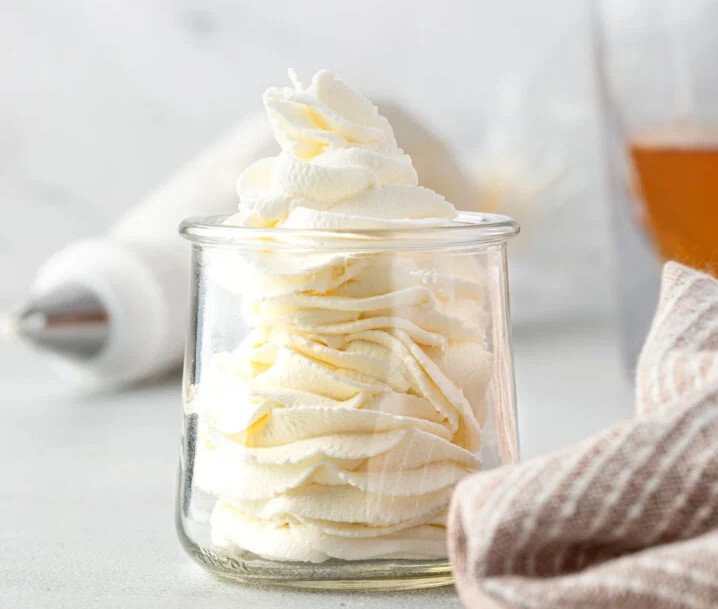
Understanding the Value of Leftover Whipped Cream in Everyday Cooking
Leftover whipped cream is often overlooked in home kitchens, yet it can be a versatile ingredient when handled properly. Instead of discarding it, many cooks are finding creative ways to repurpose it into desserts, beverages, and even light baked goods.
Whipped cream retains its structure for a limited time, but its airy texture and mild sweetness make it suitable for reintegration into a variety of recipes. When stored correctly, it can serve as a base ingredient rather than a final garnish.
In more structured culinary environments, consistency in whipping techniques is essential for reducing waste and improving yield. Tools such as the 2000g N2O cream charger are often used in larger kitchens to maintain stable texture production, allowing chefs to better control portioning and reduce leftover quantities in the first place.
Understanding how whipped cream behaves after preparation helps cooks make better decisions about reuse and storage, especially in both domestic and professional settings.
Texture Stability and Why It Matters in Recipe Reuse
Whipped cream is a delicate emulsion that depends on air incorporation and fat stabilization. Over time, this structure begins to break down, leading to separation or loss of volume.
However, even partially deflated whipped cream can still be useful in cooking. Its flavor profile remains intact, making it suitable for blending into other mixtures where texture is less critical.
Proper handling is key. Temperature, storage duration, and initial preparation method all influence how well whipped cream can be reused without compromising quality.
Safe Storage Practices for Leftover Whipped Cream
Proper storage extends the usability of whipped cream and reduces unnecessary waste. Refrigeration is essential, but timing and container choice also play important roles.
Recommended storage practices include:
- Keep whipped cream in airtight containers
- Store at consistent refrigerator temperatures
- Avoid repeated exposure to warm environments
- Use within 24–48 hours for best quality
- Stir gently before reuse if slight separation occurs
These simple steps help preserve both texture and flavor, making leftover whipped cream more adaptable for future use.
Creative Culinary Uses for Leftover Whipped Cream
Leftover whipped cream can be transformed into a variety of dishes with minimal effort. Its light texture makes it especially useful in both sweet and semi-savory applications.
Common uses include:
- Folding into pancake or waffle batter for extra fluffiness
- Mixing into coffee or hot chocolate for a creamy finish
- Incorporating into mousse or chilled desserts
- Using as a topping base for fruit salads
- Blending into milkshakes for added richness
Each of these applications allows the whipped cream to integrate smoothly without requiring perfect structural stability.
Comparative Overview of Whipped Cream Applications
The versatility of whipped cream can be better understood by comparing how it performs across different culinary uses.
| Application Type | Texture Requirement | Stability Needed | Preparation Complexity | Best Use Case |
| Beverage Enhancement | Low | Low | Very Easy | Coffee, hot chocolate |
| Dessert Filling | Medium | Medium | Moderate | Cakes, pastries |
| Baking Integration | Low to Medium | Low | Easy | Pancakes, waffles |
| Decorative Topping | High | High | Moderate | Cakes, plated desserts |
This table highlights how flexibility in texture requirements allows for broader reuse opportunities in everyday cooking.
Culinary Techniques for Repurposing Whipped Cream
Repurposing whipped cream effectively depends on understanding how it interacts with other ingredients. When incorporated into warm dishes, it tends to melt and blend, enhancing richness rather than maintaining structure.
In cold preparations, it can be lightly folded into mixtures to preserve some of its airy consistency. This makes it especially useful in layered desserts or chilled beverages.
Techniques such as gentle folding, slow mixing, and temperature balancing are key to maintaining desirable outcomes when reusing whipped cream.
Reducing Food Waste Through Smart Ingredient Management
Food waste reduction is becoming an increasingly important focus in both home and professional kitchens. Leftover ingredients like whipped cream represent small but meaningful opportunities for improvement.
By planning usage more efficiently, cooks can reduce unnecessary disposal and maximize ingredient value. This approach not only supports sustainability but also improves cost efficiency over time.
Common strategies include:
- Preparing smaller batches when possible
- Repurposing leftovers into secondary recipes
- Tracking ingredient shelf life more closely
- Using versatile base recipes that allow adaptation
These practices contribute to more responsible kitchen management overall.
The Role of Equipment in Consistent Whipped Cream Production
Consistency in whipped cream preparation plays a major role in minimizing leftovers. When texture and volume are controlled accurately, the likelihood of excess product decreases.
In professional kitchens, precision tools help maintain repeatability and reduce variability between batches. This ensures that production aligns more closely with actual demand.
Stable preparation methods also improve the quality of leftover reuse, as structurally consistent whipped cream is easier to incorporate into secondary recipes.
Practical Recipe Adaptation Examples
Leftover whipped cream can be adapted into several simple recipe modifications without requiring advanced techniques.
For example, it can be mixed into cake batter to enhance moisture, or blended into frozen desserts for a smoother texture. It can also be used as a layering component in parfaits or chilled dessert cups.
Even in beverages, a small amount of whipped cream can transform texture and flavor, adding depth without overpowering the original recipe.
Balancing Efficiency and Creativity in the Kitchen
Modern cooking increasingly values both efficiency and creativity. Leftover ingredients are no longer seen as waste but as opportunities for innovation.
Whipped cream, in particular, demonstrates how a single preparation can serve multiple purposes across different culinary categories. By understanding its properties, cooks can extend its usefulness beyond its initial role.
This approach encourages more mindful cooking practices and supports a more flexible, resource-aware kitchen environment.
Leave a Reply