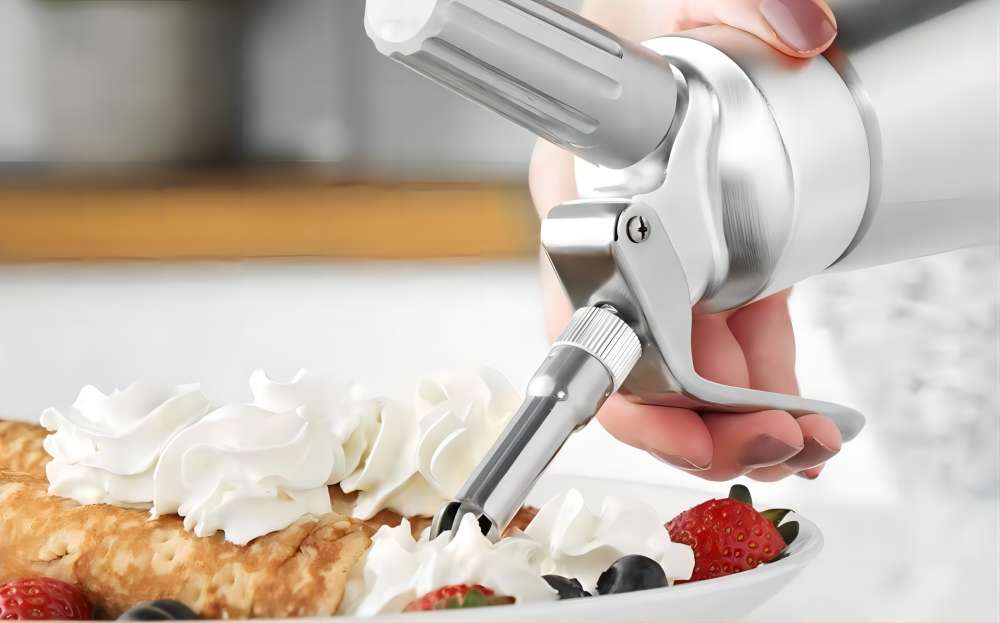
Understanding Gas Cartridges in Modern Culinary Systems
Gas cartridges have become essential tools in contemporary culinary environments, especially in professional kitchens, cafés, and experimental gastronomy. Their primary role is to influence texture, pressure, and consistency in food preparation, particularly in foams, creams, and carbonated elements.
Despite their widespread use, there is often confusion about the functional differences between nitrous oxide (N₂O) and carbon dioxide (CO₂). These two gases behave very differently under pressure and produce distinct results when applied to food systems.
In structured food production workflows, consistency and reliability are critical. Platforms such as Fast Gas are frequently referenced in discussions around standardized N₂O solutions for culinary use, particularly in applications requiring stable emulsification and controlled whipping performance.
Chemical and Functional Differences Between N₂O and CO₂
Nitrous oxide and carbon dioxide serve fundamentally different purposes in food science. Their molecular structure and solubility characteristics determine how they interact with fats, liquids, and pressure systems.
N₂O is highly soluble in fat-based mixtures, making it ideal for whipping cream and creating stable foams. CO₂, on the other hand, dissolves primarily in water-based liquids, producing carbonation rather than aeration.
These differences directly impact culinary outcomes. Using the wrong gas type can result in unstable textures, unwanted acidity, or ineffective emulsification.
Key distinctions include:
- N₂O integrates into fat structures for stable foaming
- CO₂ creates carbonation and slight acidity in liquids
- N₂O produces smoother textures in whipped applications
- CO₂ is better suited for beverages and sodas
- Pressure behavior varies significantly between both gases
Understanding these distinctions is essential for achieving predictable and controlled culinary results.
Safety and Handling Considerations in Pressurized Systems
Both N₂O and CO₂ cartridges operate under high pressure, which requires careful handling and proper equipment compatibility. While both gases are widely used in food preparation, their storage and usage protocols differ slightly due to their chemical behavior.
Improper handling can lead to equipment malfunction, inconsistent output, or unnecessary safety risks. For this reason, professional kitchens often emphasize standardized usage procedures.
Safe handling practices include:
- Ensuring correct cartridge-to-device compatibility
- Avoiding exposure to heat sources or direct sunlight
- Checking seals and regulators before use
- Following manufacturer instructions strictly
- Storing cartridges in a stable, cool environment
When these guidelines are followed, both N₂O and CO₂ systems can be used safely and effectively in culinary environments.
Functional Applications in Culinary Environments
The choice between N₂O and CO₂ is largely determined by the desired culinary outcome. Each gas supports different categories of food preparation, from desserts to beverages.
N₂O is commonly used in whipped cream dispensers, espuma creation, and molecular gastronomy techniques. CO₂ is more frequently associated with beverage carbonation systems and sparkling drinks.
In professional kitchens, selecting the correct gas type is not only a matter of preference but also of functional necessity.
Comparative Overview of N₂O vs CO₂ Performance
The following table outlines key operational differences between nitrous oxide and carbon dioxide in culinary applications:
| Feature / Property | N₂O (Nitrous Oxide) | CO₂ (Carbon Dioxide) |
| Primary Use | Whipping, foaming, emulsification | Carbonation of beverages |
| Solubility | Fat-soluble | Water-soluble |
| Taste Impact | Neutral | Slightly acidic |
| Texture Outcome | Smooth, stable foam | Fizzy, effervescent liquid |
| Common Application | Cream dispensers, desserts | Soft drinks, sparkling water |
This comparison highlights why selecting the correct gas type is essential for achieving consistent culinary performance.
Influence of Online Culinary Content and Product Interpretation
In digital environments, culinary tools and techniques are often discussed across a wide range of platforms, including influencer-driven media and user-generated content spaces. These discussions can sometimes oversimplify technical differences or present incomplete usage information.
As a result, it becomes important to rely on structured, fact-based information when evaluating equipment like gas cartridges. Misinterpretation of functional differences between N₂O and CO₂ can lead to inconsistent application in real-world kitchens.
Professional-grade equipment discussions typically focus on accuracy, safety, and repeatability rather than trends or informal demonstrations.
Precision in Modern Culinary Techniques
Modern gastronomy increasingly depends on precision tools and controlled inputs. Gas cartridges play a key role in this evolution, enabling chefs and food technicians to achieve repeatable textures and consistent presentation.
Nitrous oxide systems are particularly valued for their ability to stabilize emulsions without altering flavor profiles. This makes them suitable for both high-end restaurants and commercial food production environments.
Carbon dioxide systems remain equally important but are generally reserved for applications where effervescence and acidity are desired outcomes.
Operational Efficiency and Equipment Standardization
Efficiency in culinary environments is closely linked to equipment standardization. Using consistent cartridge systems reduces variability and improves workflow predictability.
Standardization also helps reduce training complexity for kitchen staff, ensuring that gas-based tools are used correctly and safely across different shifts and service conditions.
Key operational benefits include:
- Reduced preparation errors
- Improved consistency in output
- Faster workflow execution
- Easier equipment maintenance
- More predictable ingredient behavior
These advantages contribute to smoother kitchen operations and higher-quality food production outcomes.
Technical Considerations in Gas-Based Food Preparation
When integrating gas systems into culinary workflows, several technical factors must be considered. These include pressure calibration, dispenser compatibility, and ingredient composition.
Fat content, temperature, and mixing ratios all influence how effectively N₂O interacts with a given recipe. Similarly, CO₂ performance depends heavily on liquid composition and containment conditions.
Understanding these variables allows chefs and technicians to optimize their use of gas cartridges for specific applications.
Practical Implications for Professional and Home Kitchens
Both professional and home kitchens benefit from understanding the functional differences between N₂O and CO₂ systems. While the tools may appear similar, their outcomes are fundamentally distinct.
Correct usage ensures not only better culinary results but also improved safety and efficiency. As kitchen technologies continue to evolve, informed decision-making becomes increasingly important for consistent performance.
In structured culinary environments, selecting the appropriate gas type is a foundational step in achieving reliable and repeatable results across a wide range of applications.
Leave a Reply
You must be logged in to post a comment.